Təqribi çatma vaxtı
22 Noyabr 09:28:51
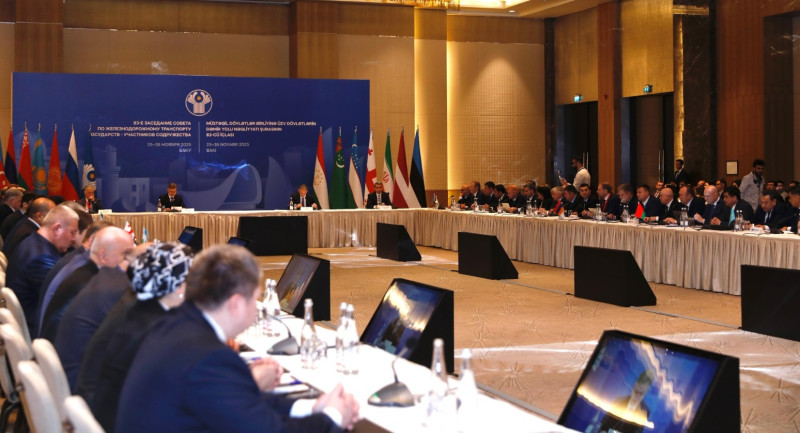
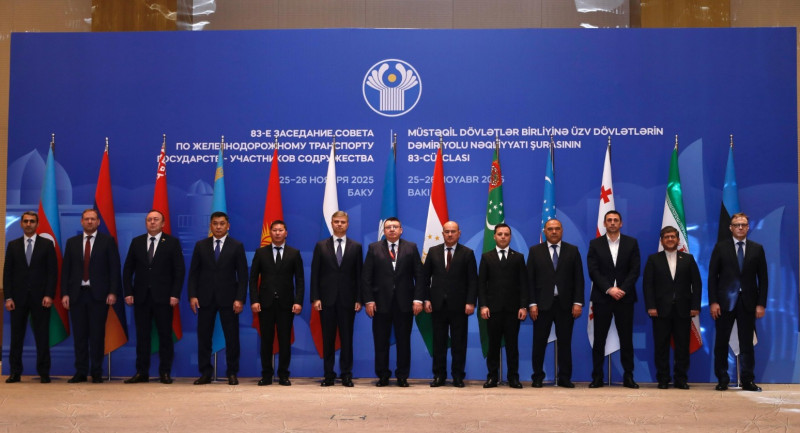
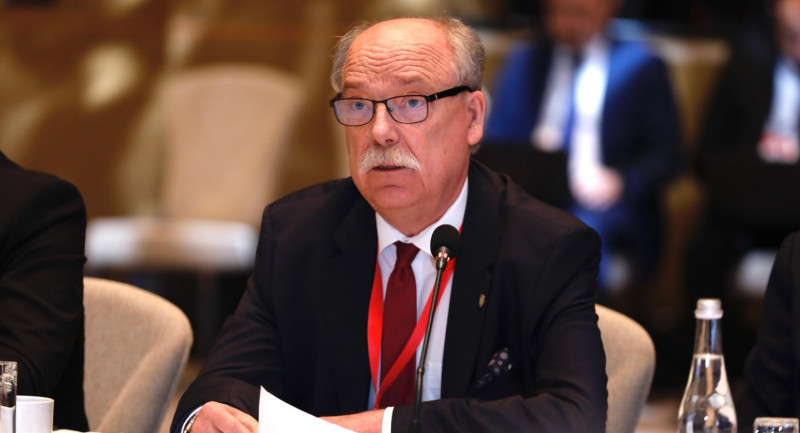
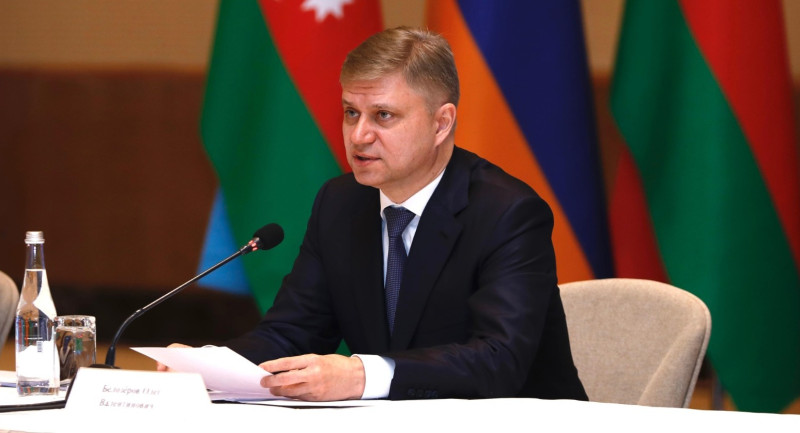
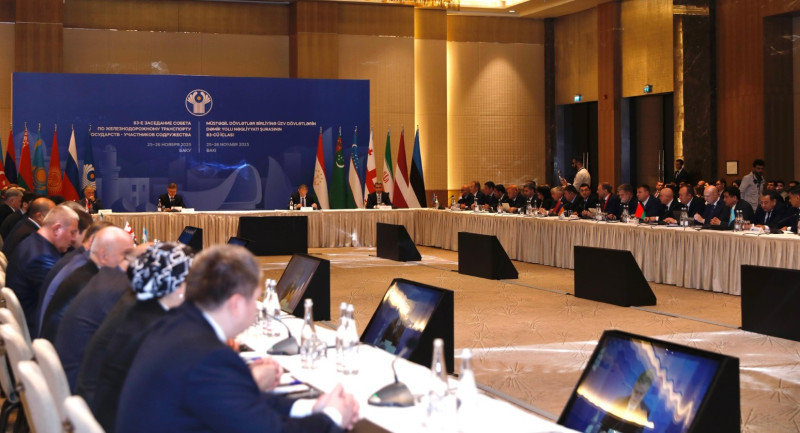
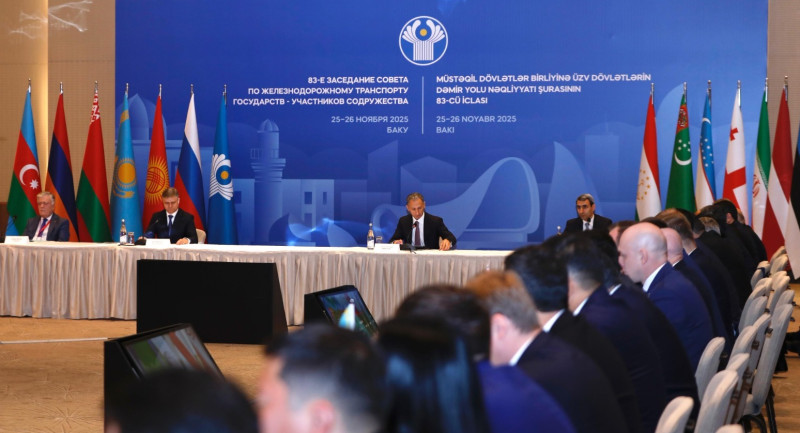
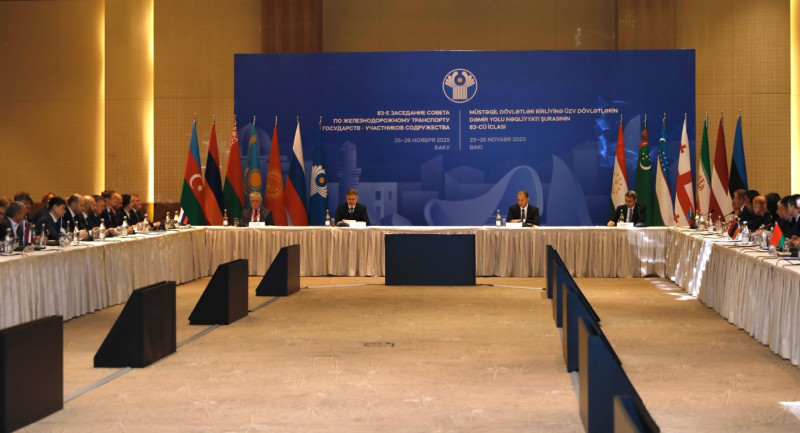
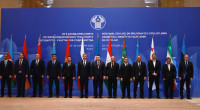
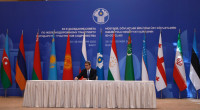
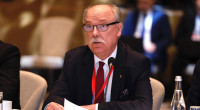
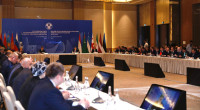
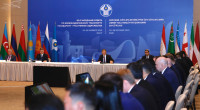
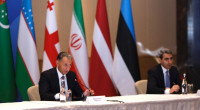
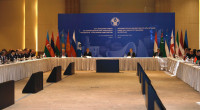
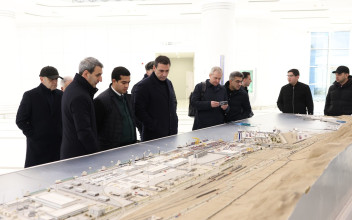
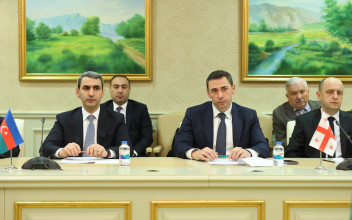
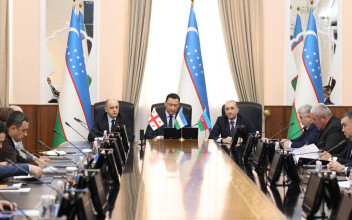
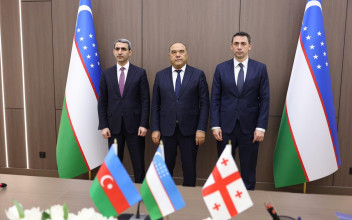
On 25–26 November, the 83rd meeting of the Council for Rail Transport of the participating states of the Commonwealth of Independent States (CIS) was held in Baku. The event was attended by the railway administrations of Azerbaijan, Russia, Belarus, Kazakhstan, Kyrgyzstan, Tajikistan, Turkmenistan, Uzbekistan, Georgia, Iran, Armenia, Latvia, Estonia, as well as the leadership of the Organization for Cooperation of Railways (OSJD), the CIS Executive Committee, and the International Confederation of Railwaymen’s Trade Unions.
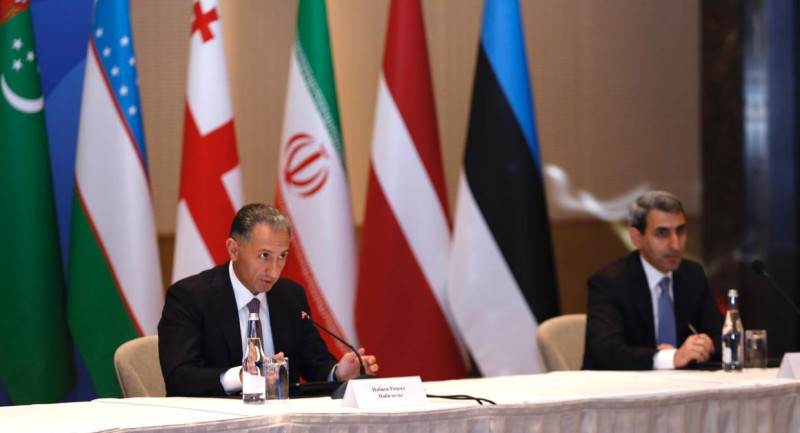
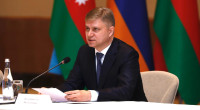
Speaking at the meeting, Chairman of Azerbaijan Railways CJSC (ADY) Rovshan Rustamov emphasized that cooperation among CIS countries in the field of transport and logistics is one of the key factors of the region’s economic integration, and that improving coordination in railway transport contributes to the region’s sustainable development as a whole.
The ADY chairman noted that in recent years extensive work has been carried out to develop international corridors passing through Azerbaijan. Strategic projects such as the Baku–Tbilisi–Kars railway, the Middle Corridor, and the North–South transport corridor have secured Azerbaijan’s leading position on the global transport map:
“ADY continues its work on infrastructure development to further enhance operational efficiency along the Middle Corridor, including successfully advancing the transition of the Baku–Boyuk Kasik line—the main East–West railway artery—to alternating current. The Baku–Tbilisi–Kars railway now functions as a reliable bridge between Europe and Asia. After its modernization, the BTK line’s freight capacity has increased from 1 million to 5 million tons per year. Reconstruction of the Sumgayit–Yalama railway line, an important segment of the North–South corridor passing through Azerbaijan, will be completed by the end of the year. ADY has also carried out substantial work on the construction of the Astara Terminal in Iran, with completion planned for the first quarter of 2026.”
Mr. Rustamov stated that since February, the Baku International Sea Trade Port, integrated into ADY, has become one of the key hubs ensuring not only Azerbaijan’s integration into the global trade chain, but also that of the entire region. It is planned to increase the port’s throughput from 15 million to 25 million tons per year — one of the main pillars supporting the sustainable and efficient operation of the Middle Corridor.
Minister of Digital Development and Transport Rashad Nabiyev, in his speech, said that Azerbaijan puts great emphasis on developing joint transport policy with member states, increasing the competitiveness of the logistics chain, and forming new routes. The minister spoke about the significance of the Agreement on Cooperation for the Development of Transit Cargo Transportation via the International North–South Transport Corridor, signed between Azerbaijan and Russia in Moscow on 21 December 2024, as well as the ongoing work to improve the railway infrastructure of the North–South and Middle Corridor segments passing through Azerbaijan.
It was noted that large-scale infrastructure projects carried out in the country in recent years have significantly altered the region’s transit map. Modernized railway lines, new terminals, and digital management systems improve the efficiency and safety of transportation.
The issues on the agenda of the meeting were discussed. The main topics included the performance of the CIS railway network in the first nine months of 2025; the development of international passenger transportation; the formation of freight and container trains for international transportation; the development of international transport corridors; tariff policy for international freight transportation in 2026; financing, as well as research and development programs.
Participants emphasized the importance of increasing transparency and synchronization in regional logistics processes, noting that harmonizing the 2026 tariff policy is of strategic significance for enhancing competitiveness in international cargo transportation and optimizing transit flows.
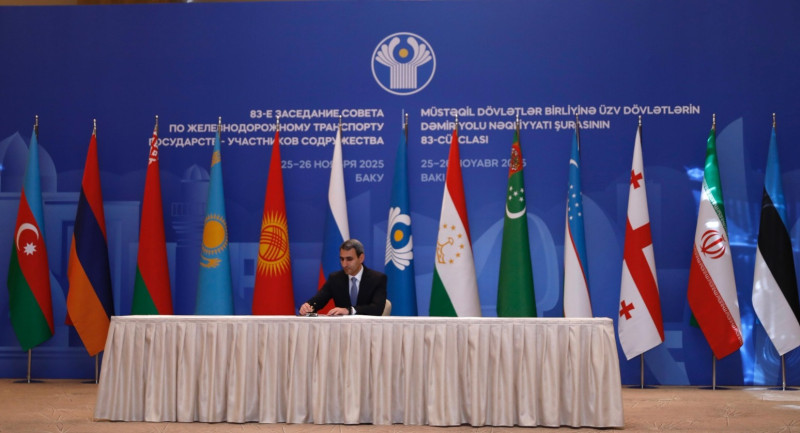
The protocol of the meeting was signed upon the conclusion of the event.